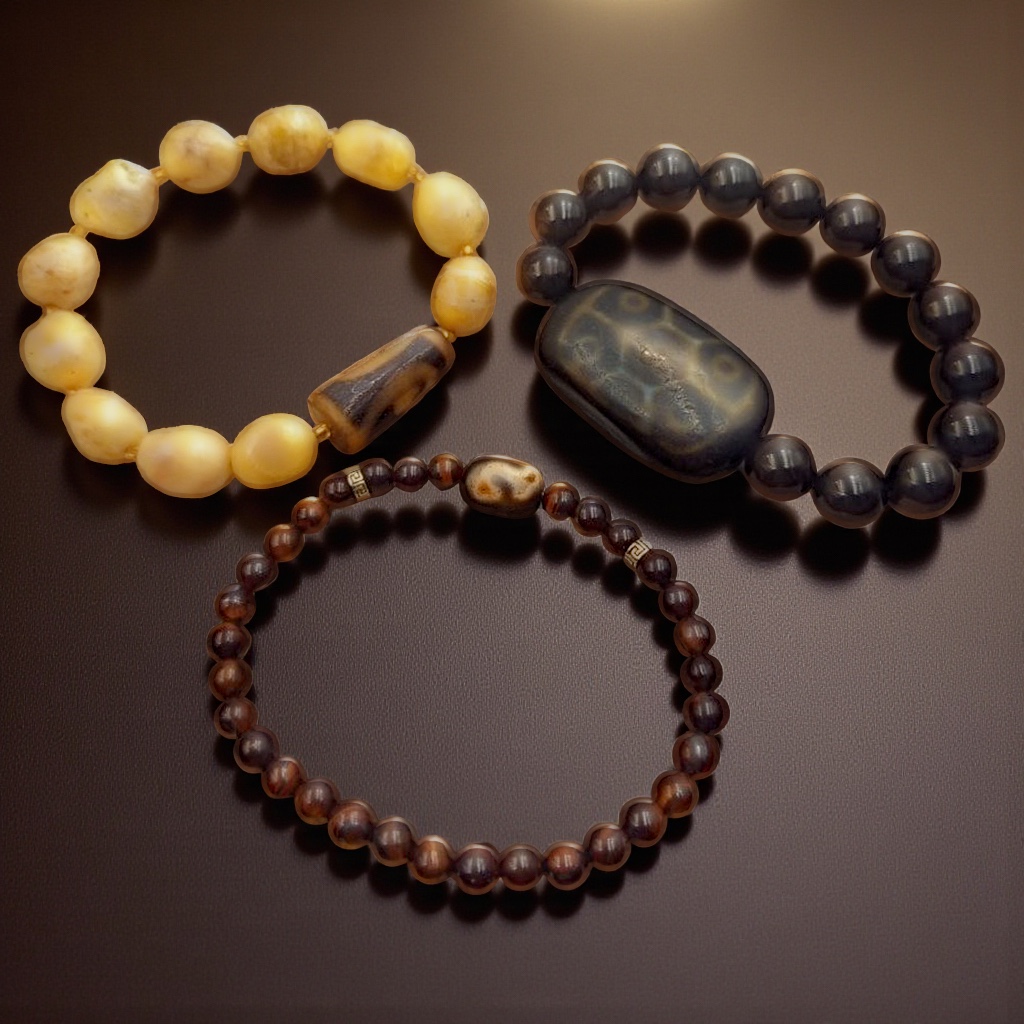
Tibetan Crystals
A new house, in preparation

Twenty.

That is the number of genuine dzi in our collection — Himalayan, antique, each acquired by hand.

We are rebuilding the shop from the ground up. It opens later this year.

Until then, the collection waits.

— —
days
— —
hours
— —
minutes
— —
seconds
Private register · early invitation
Thank you. We will write before the doors open.

No newsletters. One quiet message when the boutique opens.

གཟི On Dzi · A field note
i. What it is

What is a dzi bead?

Dzi (གཟི་) are stone beads with a history of more than three thousand years. They originate from the Tibetan Plateau and the Himalayan regions — territories where they have been held, traded, inherited, and revered across generations.

Each bead is distinguished by geometric patterns etched into agate: eyes, stripes, and concentric forms that vary from piece to piece. No two dzi are identical. Over thirty-five centuries, they have been present in sacred sites, household collections, and ceremonial practice across Tibetan culture and the broader Himalayan world.

Material · Etched agate Origin · Tibetan Plateau
ii. How it lives

Dzi in practice

In Tibetan and Bon traditions, dzi have long been regarded as objects of particular significance — carried as personal talismans, placed on household altars, held during meditation. They occupy an unusual position: simultaneously ancient artifacts, objects of ongoing spiritual practice, and sought-after collector's pieces.

Each bead's meaning is bound to its markings — a symbolic language developed across centuries within a living tradition. For those drawn to them, dzi carry both material and cultural weight that is difficult to convey and easy to recognize in person.

Tradition · Tibetan & Bon Use · Talisman, altar, meditation